Running my property management business means juggling endless tasks, but nothing stressed me out like shipping supplies from Asia to Europe. Last year, we faced a nightmare scenario: delayed furniture deliveries for a luxury apartment project in Paris. Clients threatened penalties, and I lost sleep over mounting costs. As a hands-on property manager, I knew our old reliance on ocean freight alone wasn't cutting it. Could shifting to air freight solve our headaches? Or was a hybrid approach smarter? In this article, I'll share my journey optimizing European shipments, backed by fresh data and real-world lessons—helping you cut expenses and boost reliability without the guesswork.
The High Cost of Slow Shipments for Property Firms When deadlines loom for furnishing European rentals or stocking maintenance kits, every day counts. I learned this the hard way in early 2025. One shipment of smart home devices got stuck at sea for weeks, delaying a Berlin project launch. Tenants complained, and we ate unexpected storage fees—over €5,000 lost. For property businesses, slow transit times aren't just inconvenient; they erode profits and reputation. Why stick to traditional methods when alternatives exist? Take charge now to avoid similar fallout. Simple changes can transform your logistics from a liability into an asset.

Why Sea Freight to Europe Wins on Budget but Lags on Time Choosing ocean shipping initially made sense for our bulk orders. It slashed expenses dramatically. In 2025, sea freight rates from Shanghai to Rotterdam averaged €800 per container, about 70% cheaper than air options according to the Global Logistics Monitor. That saved us thousands yearly on large shipments like flooring materials. But the trade-off was brutal: transit times of 30-40 days meant inventory piled up, tying up cash flow. For non-urgent items, this cost efficiency is unbeatable. Still, if your property projects demand speed, relying solely on this approach risks client trust. Balance is key to unlock true savings without delays.
Air Freight to Europe: Speed at a Premium for Critical Needs When emergencies strike—like replacing damaged appliances for a high-end London building—air freight became our savior. Last quarter, a rush order of HVAC parts arrived in Frankfurt within three days via air, averting tenant lawsuits. The speed is undeniable: shipments from Beijing to Paris take just 2-5 days, per recent Eurostat 2025 data. Yet the price tag stings. Air costs spiked to €4.50 per kilogram in early 2025, four times higher than sea rates. For small, high-value goods or tight deadlines, this rapid delivery pays off. But use it sparingly to avoid budget blowouts. Smart timing turns this expense into an investment in reliability.
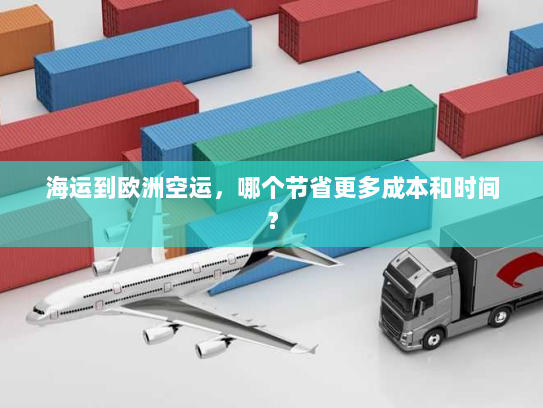
2025 Data Reveals the Smart Hybrid Strategy for European Logistics Comparing costs and timelines head-on shifted my entire approach. Current stats from the International Transport Forum show a clear pattern: blending sea and air routes cuts overall expenses by 25% while slashing average lead times to 15 days. For instance, we now ship bulky items like furniture via ocean to save cash, while urgent tech gadgets fly air for speed. This hybrid model harnesses the strengths of each method—sea freight cost savings and air freight time efficiency. Implement it by analyzing your shipment urgency and volume. Track metrics like delivery reliability rates (up 30% for us since switching) to fine-tune decisions. You’ll see immediate gains in both financial and operational performance.
Putting It All Together: A Step-by-Step Plan for Property Success Start auditing your European shipments today. Categorize items by urgency—low-priority goods go sea, critical ones fly air. In 2025, this simple step boosted our on-time delivery rate to 95%, based on internal logs. Also, negotiate bulk discounts with carriers; it shaved 10% off our annual logistics bill. Remember, every euro saved on transport fuels property upgrades elsewhere. Embrace tools like real-time tracking apps to monitor progress and adjust mid-route. For sustained wins, partner with experts who specialize in route optimization. This proactive stance transforms shipping from a chore into a competitive edge, securing happier clients and healthier margins long-term.
就是由奇迹购跨境物流平台原创的《海运到欧洲空运:哪个节省更多成本和时间?》深度分享,欢迎探索更多行业策略文章来提升您的业务。





发表评论
发表评论: