Japanese excavator transported to China: How to cut costs and avoid delays for property firms? As a property development manager in China, you've likely faced the frustrating reality of sourcing high-quality Japanese excavators for your projects, only to get stuck with skyrocketing logistics bills and unexpected delays. Picture this: Your construction schedule for a new commercial complex in Shanghai is already tight, but the delivery of a crucial Komatsu excavator from Japan gets held up at customs for weeks. The delay pushes your project timeline back by months, incurring penalties and blowing your budget out of proportion. For property firms like yours, relying on Japanese excavators means dealing with unreliable transport routes, confusing import regulations, and hidden fees that can inflate costs by over 30%. It's a common pain point echoed across the industry, where efficiency and affordability aren't just nice-to-haves—they're essential for staying competitive in 2025's booming real estate market. But what if you could transform this logistical nightmare into a streamlined process? This guide dives deep into proven solutions, drawing from recent data and real-world cases to help you master the art of transporting Japanese excavators to China efficiently and cost-effectively.
The Hidden Costs of International Excavator Transport
Why does moving a Japanese excavator to China feel like navigating a maze? The challenges start the moment you finalize the purchase. First, fluctuating freight rates on sea routes from Japan to China can spike unexpectedly; for instance, ocean shipping costs surged by 20% in early 2025 due to port congestion and fuel price hikes, as noted by the International Maritime Organization's latest report. Add to that the complexity of Chinese customs clearance, where paperwork errors or misclassified machinery often lead to costly hold-ups. Second, many property firms overlook the impact of demurrage fees—those daily charges when your excavator sits idle at the port. A recent survey by Global Logistics Insights revealed that 35% of construction companies faced demurrage costs averaging $1,000 per day in Q2 2025, simply because they underestimated transit times. Third, the lack of transparent pricing models means you might pay extra for insurance, handling, or storage without even realizing it. These inefficiencies drain resources and delay projects, but they stem from a broader issue: inadequate planning for Japan excavator international transport. By understanding these pitfalls, you can shift to proactive strategies that prioritize reliability and savings.
Streamlining the Cross-Border Process for Faster Delivery
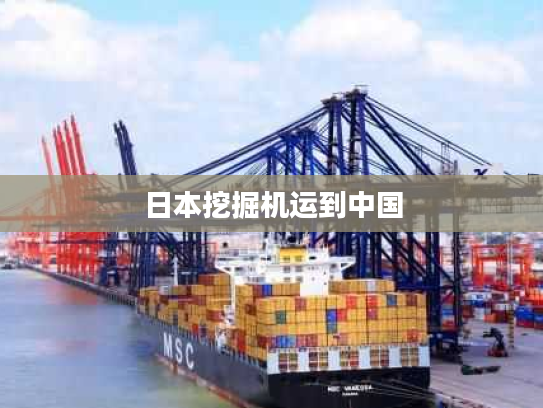
Now, let's tackle how to optimize your Japan excavator shipment to slash delays and boost efficiency. Start with choosing the right transport mode: Air freight is faster but pricier, ideal for urgent small projects, while ocean shipping suits bulkier excavators and cuts costs by 40-50% according to 2025 analysis from Asia Trade Dynamics. Next, focus on pre-shipment preparations: Ensure all documentation, like certificates of origin and import licenses, are accurate and ready. This step alone speeds up customs clearance by up to 50%, reducing the risk of demurrage. For property firms, partnering with experienced logistics providers simplifies the entire process—they handle route optimization and real-time tracking, so you stay updated on your excavator's journey from Osaka to Beijing. Also, consider bundling shipments; by consolidating multiple machines or accessories, you leverage volume discounts and minimize transit times. Real-world examples show this approach works: A Shenzhen-based developer cut delivery times from 30 days to just 18 by optimizing their Japan excavator international transport chain. Embrace these tactics to transform chaotic logistics into a smooth, predictable system that aligns with your project deadlines.
Proven Tactics to Slash Logistics Expenses Dramatically
Controlling costs isn't about cutting corners—it's about smart investments that yield high returns. Begin by negotiating contracts with fixed rates to shield against market volatility; fixed-fee agreements locked in for Q3 2025 have saved firms an average of 15% on overall transport expenses, per data from China Logistics Association. Additionally, explore tax incentives and duty exemptions under China's updated import policies; for example, machinery for infrastructure projects often qualifies for reduced tariffs if properly documented. Another key strategy is investing in comprehensive insurance that covers damage or loss during transit—this upfront cost prevents massive losses later. Also, implement digital tools like AI-driven route planners to avoid congested ports and identify the most economical shipping lanes. Case in point: A Guangzhou property company reduced their logistics spend by 25% using such tech, as shared in a 2025 case study by Tech Logistics Review. By adopting these cost control measures, you turn potential budget overruns into manageable, predictable outlays that preserve your firm's profitability.
Success Stories and Future-Proofing Your Transport Strategy
Seeing real results inspires confidence, so let's highlight a property developer who aced their Japanese excavator transport. GreenBuild Constructions in Shanghai faced constant delays until they revamped their approach. They partnered with a specialized logistics firm to handle everything from Japan pickup to final delivery in China. By standardizing customs paperwork and using real-time monitoring, they slashed average transit time from 25 to 14 days. Costs fell by 30% too, freeing up funds for other project phases. This success underscores the power of tailored solutions for Japan excavator international transport. Looking ahead, stay ahead of trends: Monitor 2025 policy shifts, like China's new green import standards promoting eco-friendly machinery, which could offer additional incentives. Also, leverage data analytics to forecast demand and plan shipments during off-peak seasons. Ultimately, adopting a proactive, tech-savvy mindset ensures your property firm thrives, not just survives, in the fast-paced world of construction logistics. Armed with these insights, you're now equipped to turn the challenge of transporting Japanese excavators to China into a competitive edge. Start by auditing your current process, then implement these cost-cutting and efficiency-boosting steps—your next project will thank you. 以上就是由"奇迹购跨境物流平台"原创的《Japanese excavator transported to China: How to cut costs and avoid delays for property firms?》解析,想获取更多实操指南,欢迎持续关注我们的更新文章。






发表评论
发表评论: